
Understanding California's junk vehicle re-registration process is vital for legal and safe return to public roads. Key steps include meeting safety standards, proper documentation, and expert assistance from specialized services. Meticulous inspection of damaged vehicles is crucial to avoid costly repairs. Navigating legal requirements with the DMV ensures compliance and extends vehicle lifespan, contributing to responsible recycling within the automotive industry.
In the realm of sustainable mobility, efficiently navigating the junk vehicle re-registration process is a crucial step toward promoting eco-friendly practices. Many old caravans, once considered junk, hold potential for repurposing and extended life spans. However, the cumbersome nature of their re-registration can deter prospective buyers, creating a barrier to this green initiative. This article aims to demystify the junking and re-registering process, providing an authoritative guide for those seeking to acquire these recycled vehicles efficiently. By streamlining this pathway, we foster a culture that values circular economy principles, transforming junk into treasure.
- Understanding Junk Caravan Classification
- Locating Reliable Sellers for Junk Caravans
- Inspecting the Vehicle Before Purchase
- Navigating Junk Vehicle Re-registration Process
- Legal Requirements and Documentation Needed
- Preparing Your Caravan for Resale or Recycling
- Tips for Efficiently Registering a Junk Caravan
Understanding Junk Caravan Classification
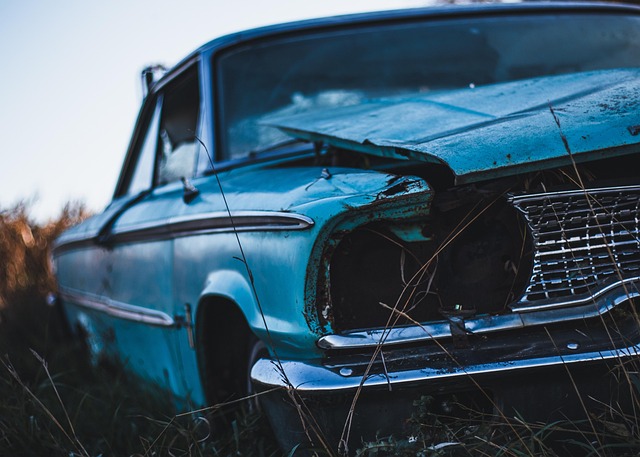
Understanding Junk Caravan Classification is a critical step in the junk vehicle re-registration process, especially when aiming to get your salvage vehicle back on California’s roads legally and with minimal hassle. The California Department of Motor Vehicles (DMV) categorizes vehicles into several types, including those deemed ‘junk’ or ‘salvage’. These classifications impact how you can register and operate such vehicles, emphasizing the importance of accurate identification. Junk caravans, in particular, often serve part salvage or recycling purposes, making their re-registration a unique consideration for vehicle owners.
The junk caravan classification typically refers to vehicles that are no longer considered roadworthy due to extensive damage, age, or mechanical issues. However, this doesn’t necessarily mean they’re beyond repair. Many junkers can be restored and re-registered, allowing individuals to turn potential scrap into a drivable asset once again. This process involves more than just fixing the obvious; it often requires meeting specific safety standards set by the DMV. For instance, critical components like brakes, lighting systems, and steering mechanisms must function correctly for safe operation on public roads.
When navigating the junk vehicle re-registration process, seeking expert help from specialized services like Quick Auto Tags can be immensely beneficial. They provide invaluable Junk car re-registration help, ensuring you meet all legal requirements set by the California DMV. Whether your caravan is part of a salvage yard or a personal project in need of restoration, their expertise guarantees a smooth transition back onto the road. Remember, accurate classification and timely re-registration are crucial to avoid legal complications and ensure your vehicle’s longevity on California’s highways.
Locating Reliable Sellers for Junk Caravans

When considering a junk caravan purchase, one of the critical steps in the process is locating reliable sellers. This involves thorough research to ensure you’re dealing with reputable sources who can provide a seamless junk vehicle re-registration experience. Many buyers often find themselves overwhelmed by the sheer number of options, from local salvage yards to online marketplaces. The key lies in identifying those that offer not just junked vehicles but also efficient and legal registration processes.
Reliable sellers will have established partnerships with reputable salvage title or rebuilt/reconstructed title providers, ensuring a smooth transition during the junk vehicle re-registration process. This is particularly important when dealing with vehicles that lack valid titles, as these specialized services can help acquire the necessary documentation legally and efficiently. For instance, in regions like North America, where junked or salvaged vehicles are common, established salvage yard networks offer comprehensive registration support, allowing buyers to concentrate on finding suitable parts without legal hurdles.
A practical approach is to seek out well-reviewed and certified businesses specializing in automotive recycling. Companies like Riverside Salvage Vehicle Services at Quick Auto Tags exemplify this, providing both efficient junk vehicle re-registration services and a wide range of salvaged parts. By choosing such sellers, buyers can ensure they’re not only acquiring a quality caravan but also navigating the legal aspects without complications. This reduces the risk of future issues related to ownership and registration, making it a strategic step in the purchasing process.
Inspecting the Vehicle Before Purchase

When considering purchasing a junk caravan for re-registration, meticulous inspection is paramount. Many vehicles sold at auction or as salvage-titled are significantly damaged or deemed a total loss after an accident or due to age—a fact that underlines the importance of a thorough pre-purchase evaluation. These so-called “total losses” can be acquired at a fraction of their original cost, making them appealing for those looking to navigate the junk vehicle re-registration process.
Inspecting such vehicles requires a keen eye for detail and an understanding of common issues associated with these salvage-titled cars. Look beyond the exterior for signs of structural damage—cracks in the frame or uneven body panels can indicate serious problems. Check for rust, as it often indicates water damage or previous repairs. Examine all essential components: brakes, engine, transmission, electrical systems, and tires. A vehicle with extensive damage to these areas may not be worth the investment, even after a relatively low initial cost.
For instance, data from industry sources reveals that up to 70% of salvage-titled vehicles require significant repairs before they can safely hit the road again. Moreover, a study by the National Association of Auto Dealers highlights that only about 25% of these vehicles are eventually successfully re-registered. These statistics underscore the need for a comprehensive inspection. Engaging the services of professionals like Quick Auto Tags who specialize in vehicle salvage re-registration assistance can be invaluable at this stage, ensuring you avoid costly mistakes and navigate the legal aspects with ease.
Navigating Junk Vehicle Re-registration Process

Navigating the junk vehicle re-registration process can be a complex task for many car owners. This is particularly true when dealing with salvage-titled or declared salvage vehicles that lack a valid title. Understanding the specific steps and requirements involved in this process is crucial to ensure a smooth transition and avoid potential legal complications. One of the key challenges is determining which documents are necessary, especially if the vehicle has been through a significant accident or has undergone extensive repairs.
In many cases, junk vehicles end up with salvage titles because they have been declared as not fit for safe operation on the road. This often means that the original title has been voided, and a new one issued under special circumstances. The re-registration process involves several stages: verifying the vehicle’s condition, obtaining necessary insurance papers, filling out required forms, and paying relevant fees. It is essential to work with reliable resources that understand these intricacies, such as Quick Auto Tags, which offers hassle-free junk car paperwork services.
For example, in some jurisdictions, a vehicle with a declared salvage title may require an additional inspection to assess its current state. If the vehicle passes this inspection and meets all safety standards, the re-registration process can proceed. However, if certain parts are missing or repairs are not up to par, it could lead to delays or even denial of registration. Therefore, having expertise guidance throughout is invaluable. By familiarizing yourself with these processes and working with professionals who specialize in junk vehicle paperwork, you can navigate this complex landscape more efficiently and ensure your vehicle meets all legal requirements for re-registration.
Legal Requirements and Documentation Needed

The process of re-registering a junk caravan involves navigating a series of legal requirements and documentation steps, which can be complex and time-consuming. When purchasing a junkyard caravan or a salvage-titled vehicle sold at auction, understanding these regulations is paramount to ensuring compliance and avoiding potential legal issues. In California, for instance, the Department of Motor Vehicles (DMV) governs the junk vehicle registration process, allowing for re-registration under specific conditions.
To initiate the junk vehicle re-registration process, buyers must first gather essential documentation. This typically includes proof of identification, a valid driver’s license, and the necessary forms provided by the DMV. One crucial step is obtaining an Application for Title or a Form SM 700 from the California DMV, which facilitates the transfer of ownership and registration. For salvage-titled vehicles, buyers must also provide a copy of the current title and any relevant repair estimates or documentation to demonstrate that the vehicle meets safety standards. Quick Auto Tags, specializing in DMV junk vehicle registration, can offer expert guidance throughout this process, ensuring compliance with local regulations.
Once all required documents are in order, the next phase involves submitting the application and necessary fees to the California DMV. The agency will review the documentation and, if approved, issue a new title and registration for the junk caravan. It’s important to note that re-registration may be authorized 1-3 times, depending on the vehicle’s condition and history, as specified by the DMV guidelines. This process not only legalizes the ownership of salvaged vehicles but also ensures they meet road safety standards, fostering a responsible recycling system within the automotive industry.
Preparing Your Caravan for Resale or Recycling

When preparing a junk caravan for resale or recycling, understanding the junker re-registration process is crucial. The first step involves assessing the vehicle’s condition to determine its salvageable components. If your junk vehicle still retains valuable parts, you may opt to get it back on the road with ease through the licensed tag and title agency responsible for salvaged or junked vehicles. This ensures that all legal requirements are met while potentially extending its lifespan.
Quick Auto Tags offers a solution tailored for these situations: Salvage title re-registration made simple. Their expertise lies in navigating the often complex process of registering a salvaged vehicle, ensuring compliance with local regulations. For instance, in regions where junked vehicles can be registered as “rebuilt” or “repaired,” Quick Auto Tags guides owners through the necessary documentation and inspections to achieve this status. This not only facilitates resale but also prevents these vehicles from ending up in landfills, contributing positively to environmental sustainability.
Data indicates that proper junker re-registration practices can divert substantial amounts of materials from waste streams. According to a study by the Environmental Protection Agency (EPA), over 80% of a car’s components are recyclable or reusable. By facilitating this process, agencies like Quick Auto Tags play a vital role in fostering a circular economy, where discarded vehicles become a resource for rebuilding others or providing parts for those still on the road. This approach not only saves costs for prospective buyers but also underlines the importance of responsible vehicle disposal practices.
Tips for Efficiently Registering a Junk Caravan

Buying a junk caravan can be an excellent way to acquire a vehicle at a significantly reduced cost, but navigating the re-registration process can be daunting. The junking or salvaging of vehicles and subsequent resale is a common practice, especially for those selling cars that have been deemed significantly damaged or total losses after being involved in accidents or experiencing extensive wear and tear. Understanding the junk vehicle re-registration process is crucial to ensuring a smooth transition from buyer to legal owner.
The first step in efficiently registering a junk caravan involves gathering all necessary documentation. This includes proof of purchase, often from an auction where these salvaged vehicles are frequently sold at discounted rates, along with any available accident or repair reports. It’s also essential to verify that the vehicle has no outstanding liens or legal issues, which can be confirmed through state records. Once this initial verification is complete, the process of re-registration with the Department of Motor Vehicles (DMV) can begin. Quick Auto Tags, for instance, offers specialized services for junk car DMV processing, ensuring a straightforward experience for buyers.
When dealing with a junked or significantly damaged vehicle, it’s important to be transparent during the registration process. The DMV may require additional documentation to validate that the vehicle meets safety standards and is fit for road use after repairs. This could include inspection reports or assessments from licensed mechanics. By proactively providing this information, you can expedite the re-registration process, avoiding potential delays or complications. Remember, the goal is to ensure a legal and seamless transition for both the buyer and the DMV.
By thoroughly understanding junk caravan classification, identifying reliable sellers, and meticulously inspecting vehicles before purchase, you can navigate the complex junk vehicle re-registration process with confidence. This article has equipped you with essential knowledge on legal requirements, necessary documentation, and preparations for resale or recycling. With these key insights in hand, you’re now ready to efficiently register a junk caravan, ensuring a seamless transition that adheres to all applicable laws. The practical steps outlined here serve as a valuable guide, empowering you to make informed decisions and maximize the value of your purchase.


